




What is a Ocean Freight?
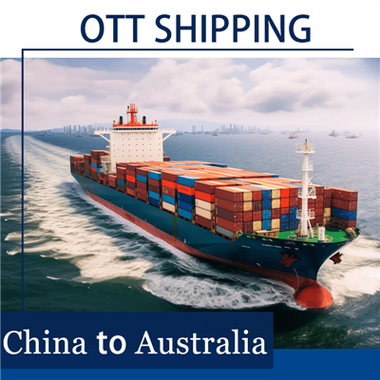
Ocean freight refers to the transportation of goods by sea using big cargo ships. This is a means of transporting large quantities of goods across long distances that are not accessible by land or air. Businesses and individuals use ocean freight to send products internationally either in Full Container Loads (FCLs) or Less than Container Loads (LCLs). Ocean freight is typically the most cost-effective option for transporting large and bulky goods such as commodities, chemicals, furniture, automobiles, and machinery. The logistics of ocean freight includes the packing, documentation, port handling, customs clearance, and delivery.
Why Choose Us ?
Free warehousing
We offer our customers a 7-day free warehouse in China, so they don't have to worry about storage fees.
Global shipping
Besides airfreight also an expert freight forwarding and Customs brokering providing sea, road forwarding, warehousing, and a multitude of transportation solutions.
24H online service
OTT SUPPLY CHAIN provides VIP customer service, with online and offline help available even on weekends.
Competitive price
OTT SUPPLY CHAIN has a special offer on freight costs from China, and we have strong relationships with all major airlines and agents in China.


Benefits of Ocean Freight
Ocean freight is more economical
Compared to air freight, ocean freight is a lot cheaper. You might be paying about six times the rate of sea freight when you ship the same by air. The affordability of ocean freight has made it a feasible option for small, medium, and large enterprises.
Ocean freight is fewer restrictions
You can ship any quantity of items in a single trip via sea freight. The choice is yours to book a Less than Container Load (LCL) or a Full Container Load (FCL) depending on the size and volume of the shipment. This evades any sort of limitation concerning the cargo. Other shipping methods lack this efficiency.
Ocean freight shipping is environment-friendly
Reducing the carbon footprint is the best way to maintain a healthy environment. Ships are fuel-efficient and, hence, the emissions are less than aircraft. By this, the carbon footprint caused by ocean freight is much lower. All those organizations with an eco-friendly concept prefer ocean freight shipping owing to this fact.
Flexibility of shipment
The client can choose to ship the entire volume together or part by part. Ocean freight offers this flexibility to opt for an economically viable option. If you don’t want to spend much and need to export or import only a limited quantity, LCL may be preferred.
Ocean freight is important for global trade
Sea trade has been the life-breath of the world since time immemorial. Even though airfreight has acquired notable growth over the past few decades, ocean freight still has the upper hand. Any issues arising in the maritime industry can hit nations globally.
Less maintenance cost
Maintaining a ship is a lot cheaper than an aircraft. Since the aircraft operates in the air, it has to be 100% technically sound always. Ascertaining the technical condition of aircraft, frequent repair and recondition activities, and the labour cost for maintaining the aircraft is much higher than you imagine. In turn, the airfreight rate also goes up. Maintaining a ship is not that costly.
Safe transportation methods
One of the top benefits of ocean freight shipping is that you can carry hazardous cargo via ship safely. Observing high safety standards and meticulous precautions, ocean freight guarantees the safe shipment of dangerous materials. Accidents during ocean freight are minimal compared to other modes of shipping. Therefore, sea freight is the internationally approved means for transportation of almost all legally approved items.
Assured delivery
Once you pick the right company, you can be sure about the delivery of the cargo in the promised time making ocean freight the cheapest and best shipment method.
Types of Ocean Freight

Bulk carriers
Bulk carrier ships are seen with large hydraulic hatches covering their folds. These types of ships are used to transport grain, ore, wood ships and other materials/products down into a hold. They are sent to be load-on and off at special ports. The average bulk carrier is around 800 feet long.

General cargo ships
Like the Bulk Carriers, these ships have large hydraulic hatches covering the holds along with overhead rigging. They can have four to five holds (a hold is also called the cargo space) and long protruding rigging for winches. Some of these ships can be special and have refrigerated spaces to carry perishable items. They are normally 500 feet.

Container ships
A standard in freight types of sea transport, these are the primary ships used today. They are designed to carry large steel containers that are normally 20 and/or 40 feet long. Large cranes and help from trucks assist in loading up and off of these ships. They are some container ships that are designed where the bow opens up and smaller ships called barges are pulled in.

Tankers
Tankers are the most common ships that haul oil. Although there are many types of tankers that carry different types of liquids and gases, they are all generally the same in their use. Tankers can be spotted by their large surface area protruding from the main deck. This is to load on and off the cargo.

Barges
These vessels normally require a towboat to move or can be used with container ships. Barges are used to primary move three types of cargo: grain & ore, containers, and liquid & gases. Essentially these can be thought of the miniature versions of cargo ships, container ships, and tankers.

Charter ('tramp')
Vessels operate entirely according to the demands of the person chartering them. Their ports of loading and discharge are set by the charter, as is their cost, which depends on immediate supply and demand conditions. Most tankers and bulk carriers operate in the charter markets.
What are the Applications of Ocean Freight
Imports and exports:Ocean freight is extensively used for shipping goods to and from different parts of the world. It is an affordable method of transport, making it an ideal choice for businesses that need to import and export bulk goods.
Industrial cargo:Ocean freight is commonly used to transport industrial cargo such as machinery, raw materials, and chemicals. This cargo usually consists of large and heavy items that require shipping over long distances.
Consumer goods:Ocean freight is also used for the transportation of consumer goods, such as electronics, clothing, and furniture. This ensures that goods are transported safely and at an affordable cost.
Agricultural products:Ocean freight is used to transport a vast range of agricultural products, including grains, fruits, and vegetables. This is particularly crucial for countries that rely heavily on exports of these products.
Vehicles:Ocean freight is also used to transport vehicles, including heavy machinery, cars, and motorcycles. This is a convenient and affordable option for companies looking to import or export vehicles in bulk.
Energy and mining operations:The shipping of oil, gas, and other natural resources by sea is crucial for energy and mining operations.
Pickup from your warehouse
A local trucking company arrives at your warehouse with a 40-foot container to pick up your 20 pallets. Your warehouse crew loads the pallets into the container, and the truck driver will close the large container doors. Likely, the driver will attach a seal on the door latches to evidence any tampering during the trip.
Transport to consolidation center
From your warehouse, the container will travel to a local distribution or consolidation center where it will be routed to the port you have designated as the “port of loading” (where your shipment will be loaded and depart from).
Inland transportation to local port
From the distribution center, the container will travel by truck or rail to the designated port of loading. If you are in a landlocked area with no ports in your vicinity, then rail (train) may be the most economical transportation mode for your container to get to the port.
Truck transportation
Rail transportation from your area to the area near the port of loading (larger ports have rail facilities within their complex)
Transfer back to a truck to transport the container to the port of embarkation
Loading
Once at the port, the container will be loaded on to the container ship along with thousands of other containers. Highly specialized equipment and a skilled workforce are needed to perform this enormous task efficiently and quickly.
Transit
After departure, the container ship may sail directly to the destination port (especially if it is a significant route), or it may make one or several stops in between to offload cargo or load new cargo. Since cargo ships are so large, the vessel’s operator may want to maximize available space by consolidating multiple stops into one voyage.
Arrival at the destination
Once the vessel arrives at the destination port (“port of discharge”), if all the shipping documents are in order and French customs signs off, the container will be offloaded, loaded on to a trailer and transported via truck or rail to a distribution center near your customer’s location in France. From there, a local French logistics company will make the arrangements for the final delivery of your goods to your customer’s place of business.
What you should know when use Ocean Freight
A common mistake made by first-time shippers is that they assume they will need full shipping containers for their product. Though this is true, you can check if other freight forwarding companies can help you ship less-than-container loads (LCL), rather than feeling forced to use full container loads (FCL). Going the LCL route means that your goods will be consolidated with other shipments, so this will ultimately save you money on shipping costs. Additionally, freight forwarders who are looking for smaller shipments for their incomplete shipping containers can offer you great rates.
Calculating the costs of importing and exporting goods across international borders can seem complicated in theory, but ocean freight forwarding services are easier to price out than using air freight forwarders. For instance, LCL shipments can be determined by this simple formula
length x width x depth = total volume in cubic feet. Although this formula works for most situations, some variables might affect the outcome, like if the goods are very fragile, or extremely lightweight.
No matter how experienced ocean freight carriers may be, there are many other external factors that you need to consider when properly packaging your goods. Your initial packaging could be satisfactory initially, but it may not hold up during the shipping container transport. The container will have to be lifted on and off the ship by a crane; then it will be traveling across the tumultuous ocean for an extended period. Enlisting the help of an ocean freight forwarder can be extremely beneficial because they can offer professional advice on how to aptly pack your goods for safe and protected travel.
Ships have sail dates, which differ than the delivery cut-off dates for ocean forwarders. For instance, if a ship’s schedule sails to a specific destination on a Monday or Thursday, the cut-off date for your goods to deliver to your forwarder is likely to be one day before the sail date. Make sure you get acquainted with your carrier’s schedule to avoid delays. Furthermore, when your goods arrive at your destination, it can take up to two or more days for shipments to clear customs and be off-loaded, especially if your goods traveled by LCL.
The Steps of Ocean Freight
Booking: The first step in ocean freight is the booking process. The shipper or freight forwarder contacts the shipping line to reserve space on a vessel. This step includes providing details such as shipment size, weight, and destination.
Documentation: Once the booking is confirmed, the shipper must complete the necessary documentation. This includes preparing a bill of lading, commercial invoice, packing list, and any other documents required by the shipping line or customs authorities.
Cargo Packaging: Before loading, the cargo needs to be properly packaged and secured to ensure its safety during transit. It is crucial to comply with the shipping line's packaging requirements and consider factors such as fragile items, dangerous goods, and temperature-sensitive goods.
Customs Clearance: To export or import goods, the shipper must comply with customs regulations. This involves submitting the required documentation and paying any necessary duties or taxes. Customs clearance can be a complex process and often requires the assistance of a customs broker or freight forwarder.
Cargo Handling and Loading: After customs clearance, the cargo is delivered to the port for loading onto the vessel. The shipping line or terminal operator oversees this process, which includes checking and verifying the cargo, weighing, and securing it in the containers.
Inland Transportation: In many cases, goods need to be transported from the shipper's location to the port of departure and from the destination port to the final destination. This is known as inland transportation and can be done by truck, rail, or a combination of both.
Transit and Tracking: Once the cargo is loaded onto the vessel, it begins its journey across the ocean. During this time, it is crucial to track the cargo's location and status. Advanced technologies, such as GPS tracking and electronic data interchange systems, enable real-time visibility of the shipment.
Destination Handling: Upon arrival at the destination port, the cargo goes through a series of handling processes. This includes unloading, customs inspection, and possibly transferring the cargo to another vessel or mode of transportation for further distribution.
Customs Clearance and Delivery: Similar to the customs clearance process at the port of departure, the cargo must go through customs at the destination port. After clearing customs, the cargo is then transported to its final destination, often with the assistance of a local delivery agent or trucking company.
Cargo Receiving and Verification: Finally, the consignee or receiver of the cargo takes possession of the goods. They inspect and verify the received cargo against the shipping documents, ensuring accuracy and any necessary claims for damages or discrepancies.
Factors to Consider When Selecting Ocean Freight


Cost: Cost is a significant factor to consider when selecting ocean freight. The shipping rates can vary greatly depending on factors such as distance, size of the shipment, and the chosen shipping route. It is important to obtain quotes from different freight forwarders and compare them to find the most cost-effective option.
Reliability: The reliability of the ocean freight service provider is another crucial factor. You need to ensure that your goods will be delivered on time and in good condition. It is advisable to research and read reviews about different freight forwarders to gauge their reliability and track record.
Transit Time: Depending on the urgency of your shipment, you need to consider the transit time offered by the ocean freight service. Transit time can vary depending on the shipping route, weather conditions, and other unforeseen circumstances. It is essential to choose a service that can meet your delivery deadlines.
Destination Coverage: It is important to check if the ocean freight service covers the destination you require. Some freight forwarders have limited coverage and may not ship to certain locations. Ensure that the service you choose can deliver your goods to the desired destination.
Freight Forwarder's Network: The network of the freight forwarder is crucial as it determines their ability to handle your shipment effectively. A freight forwarder with a wide network of agents and partners can provide better services and ensure smooth transit of your goods.
Insurance Coverage: Accidents and unforeseen events can occur during transit, leading to damage or loss of goods. It is crucial to check if the ocean freight service provides adequate insurance coverage to protect your cargo. This will give you peace of mind and financial protection in case of any unfortunate incidents.
Customs Clearance: International shipping involves the clearance of customs at both the origin and destination. It is essential to choose a freight forwarder experienced in handling customs clearance to avoid any delays or complications. They should be knowledgeable about import and export regulations and provide assistance in completing the necessary documentation.
Additional Services: Some ocean freight service providers offer additional services such as cargo tracking, warehousing, and distribution. These services can be beneficial depending on your specific requirements. Consider if any additional services provided by the freight forwarder align with your needs.
Our Factory
OTT SUPPLY CHAIN is an international forwarding company in Shenzhen, China, specializing in express shipping, air shipping, sea shipping, DDP and DDU shipping, shipping to Amazon warehouses, exporting and importing services, and so on.


Frequently Asked Questions Ocean Freight
Q: Why choose ocean freight?
Q: What does FOB mean in ocean freight?
Q: Who physically pays the ocean freight?
Q: What is ocean freight rates?
Q: How is ocean freight calculated?
Q: What are the categories of ocean freight?
Q: What does DDP mean in shipping?
Q: What does CIF mean in ocean freight?
Q: Who pays bill of lading fee?
Q: Does FOB include ocean freight?
Q: What does Nvocc mean in shipping?
Q: How much does it cost to ship a 40ft container?
Q: What does LCL mean in shipping?
Q: What does CFR mean in shipping?
Q: Who signs the bill of lading?
Q: Why are there 3 original bills of lading?
Q: What is the difference between FOB and CFR?
Q: How heavy is an empty 40 foot shipping container?
Q: Do I need insurance?
Q: When should I ship FCL vs LCL?
As a professional forwarding company in China, we are mainly engaged in providing low price ocean freight service, flexible shipping solutions and responsible consolidation service to customers. Be free to contact us for customized service and discount information.
Truck And Customs Clearance in China, Sea And Truck Delivery, economical FBA shipping