



Combined Transport By Railway
Description
Technical Parameters
What is a Combined Transport By Railway?
Combined transport by railway refers to the transportation of goods using a combination of rail and road transport. This mode of transportation involves loading goods onto flatbed wagons and transporting them to railway terminals using road vehicles. Once the load has reached the railway terminal, it is transported further using rail transportation, either in the same wagon or transferred to another train. The goods may then be moved to another road transport vehicle for final delivery at the destination. This mode of transportation is preferred for long-distance transportation of heavy goods as it offers a balance between cost-effectiveness and speed.
Why Choose Us ?
Free warehousing
We offer our customers a 7-day free warehouse in China, so they don't have to worry about storage fees.
Global shipping
Besides airfreight also an expert freight forwarding and Customs brokering providing sea, road forwarding, warehousing, and a multitude of transportation solutions.
24H online service
OTT SUPPLY CHAIN provides VIP customer service, with online and offline help available even on weekends.
Competitive price
OTT SUPPLY CHAIN has a special offer on freight costs from China, and we have strong relationships with all major airlines and agents in China.


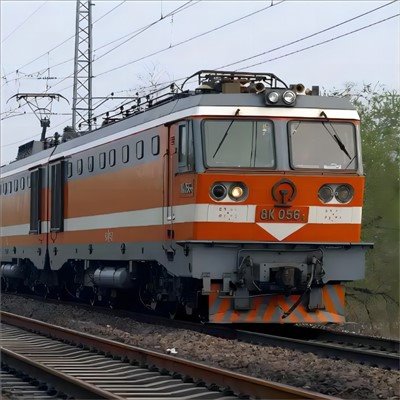

Benefits of Combined Transport By Railway
Cost effectiveness
Combined transport reduces the overall cost of transportation by using different modes of transport for different legs of the journey, thereby reducing the cost of fuel, maintenance, and labor.
Reduced carbon footprint
Railway transport is more environmentally friendly than road transport, as it emits fewer greenhouse gases and reduces air pollution.
Improved safety and security
The use of standardized containers and strict security measures reduces the risk of theft and damage to goods. Additionally, railway transport has a lower accident rate compared to road transport.
Increased capacity
Railway transport offers a higher capacity for handling goods in comparison to other modes of transport. Combined transport also allows for the consolidation of smaller shipments into larger loads, maximizing the use of available capacity.
Faster transit times
Combining rail transport with other modes of transport, such as road or sea, can provide faster transit times than rail alone. The use of intermodal terminals and efficient handling helps minimize transit times.
Flexibility and connectivity
Combined transport offers greater flexibility and connectivity to remote locations that may not be easily accessible by road or air transport, leading to greater market access.
Reduced traffic congestion
The use of combined transport reduces road traffic congestion, leading to a more efficient and sustainable transport infrastructure.
Railways are reliable
Railways have standardized transit schedules and don't share their tracks with the public like trucks do with the road. For that reason, trains aren't hindered by traffic and weather the same way trucks are.
Types of Combined Transport By Railway

Intermodal transport
In the case of intermodal transport, all available modes of transport are used. What distinguishes this type of forwarding is the use of special containers. It can be a container adapted to various means of transport or a trailer that can be loaded onto a ship or train. Thanks to this, the goods are always packed in the same container, which facilitates their reloading and protects against damage.

Bimodal transport
We can talk about bimodal transport when two modes of transport are used (most often it will be road and rail, or road and sea). Exceptionally, however, there is no overloading of goods. The vehicle is transported with its cargo by ship or rail. Sometimes the driver also travels with the vehicle; in other cases, the truck moves by itself, and another driver, provided by the company, is waiting on the spot.

Multimodal transport
Multimodal transport involves the transport of goods using at least two different modes of transport while reloading goods from one loading unit to another. However, regardless of the number of shipments and means of transport, one general contract for transport is always signed.
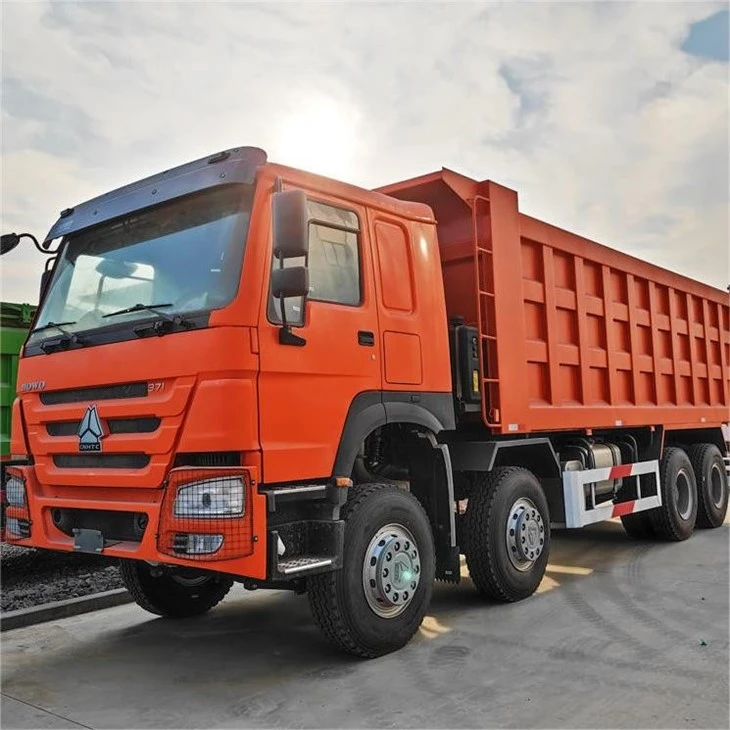
Combined transport
Combined transport is often referred to as intermodal European transport. In this system, the truck is transported by rail, inland waterway, or coastal sea without reloading the goods. In the final stage, the products are brought back via road transport, which makes it possible to reach any place.
What are the Applications of Combined Transport By Railway
Freight transport
Combined transport by railways is commonly used for freight transport, where it is used to transport goods across long distances. This is because railways can carry large volumes of goods at low costs and with minimal environmental impact.
Intermodal transport
Combined transport by railways is often used for intermodal transport, which involves the use of multiple modes of transportation (such as rail, road, and sea) to transport goods. This is because railways can act as a reliable linking point between different modes of transportation.
Container transport
Combined transport by railways is commonly used for container transport, where goods are transported in standardized containers that can be easily transferred from one mode of transportation to another. This helps reduce handling costs and speeds up the transport process.
International trade
Combined transport by railways is often used for international trade, where it is used to transport goods across borders. This is because railways can easily cross different countries and can handle the large volumes of goods required for international trade.
Logistics
Combined transport by railways is commonly used for logistics applications, where it is used to transport goods to and from warehouses and distribution centers. This helps reduce the time and costs associated with transportation and improves supply chain management.
Passenger transport
Combined transport by railways is also used for passenger transport, where it is used to transport people across long distances. This is because railways can provide a comfortable and efficient means of transport, especially for long journeys.
Combined Transport By Railway process
Booking
The first step in the rail freight process is to book the shipment with the rail freight service. This involves providing details such as the type and quantity of goods being shipped, the origin and destination of the shipment, and any special requirements.


Loading
Once the booking is confirmed, the goods are loaded onto the train at the origin station. This can be done by the shipper or by the rail freight service, depending on the terms of the agreement.
Transport
The train carrying the shipment then moves along the rail network to the destination station. During transport, the shipment may be transferred from one train to another, depending on the routing and the connections available.


Unloading
At the destination station, the shipment is unloaded from the train. This can be done by the consignee or by the rail freight service, again depending on the terms of the agreement.
Customs clearance
If the shipment is crossing international borders, it will need to go through customs clearance procedures at the border or at the destination station. This involves verifying that the shipment complies with all applicable laws and regulations and paying any applicable taxes or tariffs.


Delivery
Finally, the goods are delivered to the consignee at the destination. This can be done by the rail freight service or by a third-party logistics provider, depending on the terms of the agreement.
What you should know when use Combined Transport By Railway
Relevance of volumes and distance
Intermodal transport is effective for transferring relevant and relatively constant volumes on medium- to long-distance routes. For "spot" operations and short distances, the road is often preferred, as it tends to be more flexible and immediate.
Cargo balance
Combined transport is particularly advantageous when the loads are balanced in both directions. This need is the basis of the work of the MTO (Multimodal Transport Operators), who aggregate the demand for transport to organize services that are as balanced and competitive as possible.
Capillarity
The effectiveness of combined transport solutions available in a specific geographical area is linked to the presence of intermodal hubs and to the availability of railway services connecting the points of origin and destination that are relevant for the customer.
Nature and value of cargo
Combined transport is usually an attractive option for medium-value containerized cargo. For loads characterized by a high value but with reduced dimensions and weight, the expensive (but much faster) long-distance air transport service is usually preferred.
Operation Details about combined-transport By Railway
Step 1: The operation of combined-transport by railway begins with the loading of goods onto trucks at the point of origin. These trucks then transport the goods to the nearest railway station or intermodal terminal, where the goods are unloaded and transferred onto specially designed railcars. The railcars are equipped with secure containers or trailers that hold the goods during transportation.
Step 2: Once the goods are loaded onto the railcars, the train departs from the station and begins its journey towards the destination. The train travels on a predetermined route, stopping at various intermediate stations or terminals along the way to unload and load additional goods. This ensures the maximum utilization of the train's capacity and increases operational efficiency.
Step 3: Railway transportation offers several advantages for combined-transport operations. Firstly, it allows for the transportation of large volumes of goods over long distances in a relatively short period. Trains can carry a significant amount of freight, reducing the number of trips required compared to trucks alone. This leads to lower transportation costs and a more environmentally friendly option with reduced carbon emissions.
Step 4: railway transportation is highly reliable and predictable. Trains operate on fixed schedules, ensuring that goods arrive at their destination on time. This is especially crucial for time-sensitive shipments or industries where just-in-time deliveries are essential.
Step 5: combined-transport by railway provides enhanced security for goods in transit. Containers or trailers used in rail transportation are typically sealed, minimizing the risk of theft or damage. Additionally, the containers can be tracked throughout the journey, providing real-time visibility and monitoring capabilities for logistics operators.
Step 6: intermodal transportation by railway offers a seamless connection between different transportation modes. At the destination station or intermodal terminal, the goods are unloaded from the railcars and transferred onto trucks for the final leg of the journey. This allows for door-to-door delivery, ensuring the goods reach their intended destination without the need for extensive handling or transshipment.
Proper Packaging
The first crucial requirement is ensuring that the goods are properly packaged. This includes sturdy and durable packaging materials, appropriate cushioning, and securing methods to prevent damage during transit. The packaging should also comply with any specific regulations for hazardous materials, ensuring they are correctly classified, labeled, and packaged.
Weight Distribution
Proper weight distribution within the railway container or wagon is vital for safe transportation. Care should be taken to distribute the load evenly to prevent overloading and potential instability. Any heavy items should be placed on the bottom, while lighter items can be placed on top.
Securement of Goods
All goods must be securely fastened within the container or wagon to avoid shifting during transportation. Adequate ropes, straps, or other securing mechanisms should be used to ensure that the cargo remains in place and does not pose a risk to the integrity of the railway vehicle or to other goods.
Compliance with Regulations
It is essential to comply with all relevant safety regulations and legal requirements imposed by the authorities. This includes adhering to load limits, clearance heights, and other technical specifications set by the railway authorities. Additionally, compliance with safety regulations related to hazardous materials, dangerous goods, and their transportation should be ensured.
Proper Documentation
Accurate and complete documentation is necessary to facilitate the smooth movement of goods and ensure safety. This includes a proper description of the goods, their quantity, weight, and any relevant safety data. All necessary permits, licenses, and certificates should also be readily available during transit.
Training and Certification
All personnel involved in the combined transport process, such as loaders, freight forwarders, and railway operators, should receive appropriate training and certification. This ensures they are aware of safety protocols, proper handling procedures, and emergency response measures.
Inspection and Maintenance
Regular inspection and maintenance of railway vehicles, containers, and infrastructure are vital for safe transport. Mechanical components, such as brakes, couplers, and suspension, should undergo routine checks to identify any potential faults or defects that may compromise safety.
Emergency Preparedness
A comprehensive emergency response plan should be in place to deal with any accidents, incidents, or hazardous situations. This includes proper communication protocols, immediate access to emergency contacts, and available safety equipment like fire extinguishers and first aid kits.
Our Factory
OTT SUPPLY CHAIN is an international forwarding company in Shenzhen, China, specializing in express shipping, air shipping, sea shipping, DDP and DDU shipping, shipping to Amazon warehouses, exporting and importing services, and so on.


Frequently Asked Questions Combined Transport By Railway
Q: What is combined transport?
Q: Why use combined transport?
Q: Advantages of combined transport
reducing environmental pollution. An electric train produces much fewer harmful gases than a dozen trucks,increasing the efficiency of using available vehicles. Tractor units are suitable mainly for short journeys, mainly due to their limited capacity,flexibility in the organization of services, and lower transport costs thanks to the use of more economical means of transport.
reducing the number of transhipments thanks to the use of special transport containers,less dependence, and overcrowding of the road network. Too many trucks on the routes cause congestion and delays in transport, especially in transit, stretching through many third countries.
As a result, the use of combined forwarding allows for savings, increased competitiveness, and less damage to the environment.
Q: What are the types of combined transport?
Q: What are the benefits of Combined Transport?
②80% fewer CO2 emissions: Rail is the most sustainable mode of transportation within the traditional ones; it can reduce carbon emissions by 80%, with the possibility of getting to 90% when it comes to longer distances that can have railway as the main transport method;
Exempt from bans: Vehicles used during the first and last leg of combined transportation are exempt from driving bans on Sundays and public holidays. The truck can't be more than 200 km from the station and 150 km from the port.
Cost savings on long distances: Yes, combined transport already saves vehicle tax (as the journeys are completed under 150km), truck toll, and fuel consumption. But when the distance is more than 600 km, combined transport is even more cost-efficient compared to any other form of transportation, including external costs.
High transportation security: trains and ships have the highest security compared to other means of transportation; using them for the main leg of the delivery allows you to worry less about security.
More efficient use of staff and vehicle capacities: By combining transport and not depending fully on trucks, the available personnel and road vehicles can be used for other purposes. This can help mitigate the impacts of the ongoing trucker crisis and capacity shortage. Risks of Combined Transport.
Q: How to Guarantee efficiency in Combined Transport?
1. Digitalization: This is the first step towards any type of optimization in the transportation industry. For freight forwarders, shippers, and carriers, having a basic TMS is unavoidable; without it, coordination and communication between partners become a daily struggle.
2. Specialized technology: Now that you already have a TMS, it's time to think about obtaining efficiency in your intermodal transport. The market is evolving, and different solutions can tackle the risks of combined transport, but the best option is to look for a specialized platform that can connect, book, and manage transport seamlessly.
3. Collaboration: Plus, you must work closely with transportation providers to ensure their equipment and processes are up-to-date and meet industry standards.
Q: What is the combined transport process?
Q: What is the difference between combined transport and intermodal transport?
Q: What is an example of combined transport?
Q: What is combined freight transport?
Q: What is the most common intermodal transportation?
Cargo is loaded into a container at the shipper`s dock.
The container is transported to a ramp at a railyard and placed on a special railcar along with other containers.
Q: What is the combined transport bill of lading?
Q: What are the three types of freight?
Q: What is intermodal combination of transport?
Q: Why is it called intermodal?
Q: Is intermodal the same as rail?
Q: What are the basics of intermodal?
Q: How many types of intermodal are there?
Q: What are the roles of intermodal transportation?
Q: What is the most common type of intermodal container?
Hot Tags: combined transport by railway, China combined transport by railway, DDP Truck To Europe, By Truck To DE FBA Warehouse, Combined Transport By Railway, fast truck delivery, Railway And UPS Service, Rail Freight
Previous
No InformationNext
DDP Truck To EuropeSend Inquiry


