


Classification and introduction of containers
Nov 28, 2023
Leave a message
With the continuous development of container transportation, in order to meet the needs of loading different kinds of goods, different kinds of containers have appeared.
Let's sum it up for you today.
Classified by material used
According to the materials used in the main parts of the box (sidewall, end wall, top of the box, etc.), containers are called containers made of what materials are used. According to the materials used, containers can be divided into three types:
(1) Aluminum alloy containers have the advantages of light weight, beautiful appearance, corrosion resistance, good elasticity, convenient processing, low processing and repair costs, and long service life, while the disadvantages are high cost and poor welding performance.
(2) Steel containers have the advantages of high strength, strong structure, high weldability, good watertightness and low price, while their disadvantages are large weight and poor corrosion resistance.
(3) FRP containers have the advantages of high strength, good rigidity, large content, good thermal insulation, anti-corrosion, good chemical resistance, easy cleaning, and simple repair, while the disadvantages are the large weight, easy aging, and reduced strength of screw bolts.

Classified by structure
Containers can be divided into three categories according to their structure:
(1) Interior post type container and outsider post type container mainly refer to aluminum alloy containers. Interior post type container means that the side column (or end post) is located within the inverted wall or end wall, and outsider post type container means that the side column (or end post) is located outside the inverted wall or end wall.
(2) Collapside container means that the main components of the container (sidewall, end wall and top of the container) can be simply folded or decomposed, and can be easily reassembled when used again.
(3) Monocoque container, which combines all the parts into a steel body, has the advantage of being light in weight and can adapt to torque without causing permanent deformation.

Classified by purpose of use
1. Ordinary container
Ordinary containers, also known as dry containers, mainly ship groceries, which are usually used to ship stationery, daily department stores, medicine, textiles, handicrafts, chemical products, hardware, electronic machinery, instruments, machine parts, etc. Such containers account for 70–80% of the total number of containers. In addition to frozen goods, live animals, and plants, dry cargo containers can be used for goods suitable for container transport in terms of size and weight.

2. Reefer container
There are two types of reefer containers: external and built-in.
The temperature can be adjusted between -60 °C and +30 °C.
In the process of transportation, the built-in container can start the freezer at will to keep the container at a specified temperature, while the external container must rely on the freezer equipped on the special container vehicle, ship, and special yard and station to cool.
This kind of box is suitable for transporting butter, chocolate, frozen fish, condensed milk, margarine, and other items in the summer.

3. Open top container
Open-top container: this kind of container has no top but has a roof made of canvas, plastic sheet, or coated plastic cloth supported by foldable top girders, which can be loaded and unloaded by cranes. Open-top containers that can be opened or without fixed item surfaces at the top of the container are covered with tarpaulins during shipment, and their watertightness requirements are the same as those of dry cargo boxes. Suitable for loading glass panels, steel products, machinery, and other heavy goods.

4. Flat rack container
Flat rack container has no top and sides, and is characterized by loading and unloading from the side of the container. Taking overweight goods as the main object of transport, it is also easy to load livestock, as well as naked goods such as steel that can be exempted from outer packaging. It can also facilitate the hoisting of large ultra-wide and ultra-high goods.

5. Pen container
The side of the livestock container (pen container) is made of metal mesh, which is well ventilated and easy to feed. It is a special container specially made for transporting cattle, horses and other live animals.

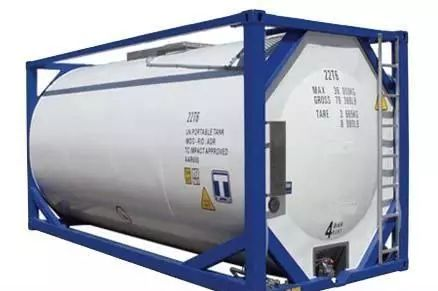
6. Tank container
Tank container is also called liquid container. It is a special container for transporting liquid goods such as food, medicine, chemicals and so on. The structure is that a liquid tank is fixed in a metal frame. The international standard tank is a kind of stainless steel pressure vessel installed in the fastening external frame. The tank tank is mostly made of 316 stainless steel. Most tanks have steam or electric heating devices, inert gas protection devices, pressure relief devices and other optional equipment for fluid transportation and loading and unloading.
7. Platform container
The shape of platform container is similar to that of railway flat. it is a container with high load-carrying capacity and no superstructure.
It is suitable for loading overweight and super-long goods, with a length of more than 6 meters, a width of more than 4 meters, a height of about 4.5 meters and a weight of 40 metric tons. And two platform containers can be connected to load 80 metric tons of cargo, which is very convenient to transport cars.

8. Ventilated container
The wall of the ventilated container is equipped with 4-6 vents and the inner wall is coated with plastic, which is suitable for hot and stuffy goods such as fresh vegetables and fruits.

9. Insulated container
There is a thermal insulation layer in the insulated container, and there is an air inlet and outlet on the top of the box that can adjust the angle, so the temperature in the box can be adjusted by external air and wind direction. When closed, it can not be affected by external temperature for a certain period of time. It is suitable to ship goods sensitive to temperature and humidity.

10. Bulk container
Bulk containers generally have 2-3 small hatches at the top for loading. There is a lifting frame at the bottom, which can be raised to a tilt angle of 40 °for unloading. This kind of box is suitable for grain, cement and other bulk cargo. If you want to carry out plant quarantine, you can also fumigate and wash in the box.

11. Freeflowing bulk material container
Freeflowing bulk material containers are basically the same as bulk containers, but nozzles and straws are used for loading and unloading.

12. Dress hanger container
Dress hanger container are suitable for carrying clothing goods. With the development of international trade and the continuous change of commodity structure, there will be different types of special or multi-purpose containers in the future.
