


Container overweight problem? How to deal with it?
Dec 07, 2023
Leave a message
How to deal with overweight containers?
Weight limit for the container itself
Each container has a maximum weight limit information on the opening door, such as MAX GROSS: 30480 kg, which means that your box with cargo cannot exceed this weight. Tare weight - 20GP: for 2200KGS, 40GP: for 3.720-4200KGS, MAX GROSS: 32000KGS for individual HQ.
This is the maximum strength the container box can withstand. Loading more than this limit may cause box shape, bottom plate off, top beam bending, and other damages, resulting in all losses being borne by the loader. At present, most of the domestic professional container terminals are equipped with automatic weighbridges, so as long as the container loading exceeds the weight limit, the terminal is always refused to accept the container. So it is recommended that before loading the container, see clearly the weight limit on the container box in order to avoid the occurrence of unnecessary reloading operations back to the box.
If the goods are really overweight and cannot be divided, then you can choose the overweight box. Here will increase is to select the weight fee, general terminal / yard will shipping company's ordinary dry box stacked together, if you want to choose one of the special weighted cabinets (such as the previous talk about the 20 weighted cabinets), the terminal, the yard must be one by one to find out the resulting selection of the container fee is generally the same price as the designated cabinet fee.
Container transportation is a collaborative process involving many departments, so in addition to the weight limit of the container box itself, there are some other factors to consider.

Shipping Line Weight Limit
Generally each shipping line has a different weight policy, and the approximate standard is not to damage the container.
In the balance of space and weight considerations. Each container ship has a certain amount of space and weight restrictions, but specifically in a certain route, space and weight is not always just a good balance used up. Contradictions often occur in the heavy cargo out of the more concentrated in northern China, the weight of the ship has been to the cabin space is still a lot less, in order to make up for this loss of space, the shipping company tends to take the strategy of price increases, that is, the weight of the cargo more than how many tons of additional freight charges. There are also shipping companies are not using their own ship, but to buy other shipping company's space to transport, the weight limit will be more strict, because the shipping company between the cabin trading one are in accordance with the standard of 1TEU = 14TONS or 16TONS to calculate, more than the weight of the ship will not be given to the ship.
In the period of cabin explosion, according to the route heat different, the shipping company of each box type weight limit will be adjusted downward accordingly.
When booking, you should ask the forwarder about the weight limit of the shipping company at the latest shipment. If there is no confirmation and the cargo is heavy, there is a risk that some shipping companies will not have any communication space after overweight, and will directly let the consignor to haul the cargo, leave the port, pull out the cargo, and then reweighing. These costs are not easy to control.
Port Area Weight Limit
It mainly depends on the loading of machinery and equipment at the terminal and the yard.
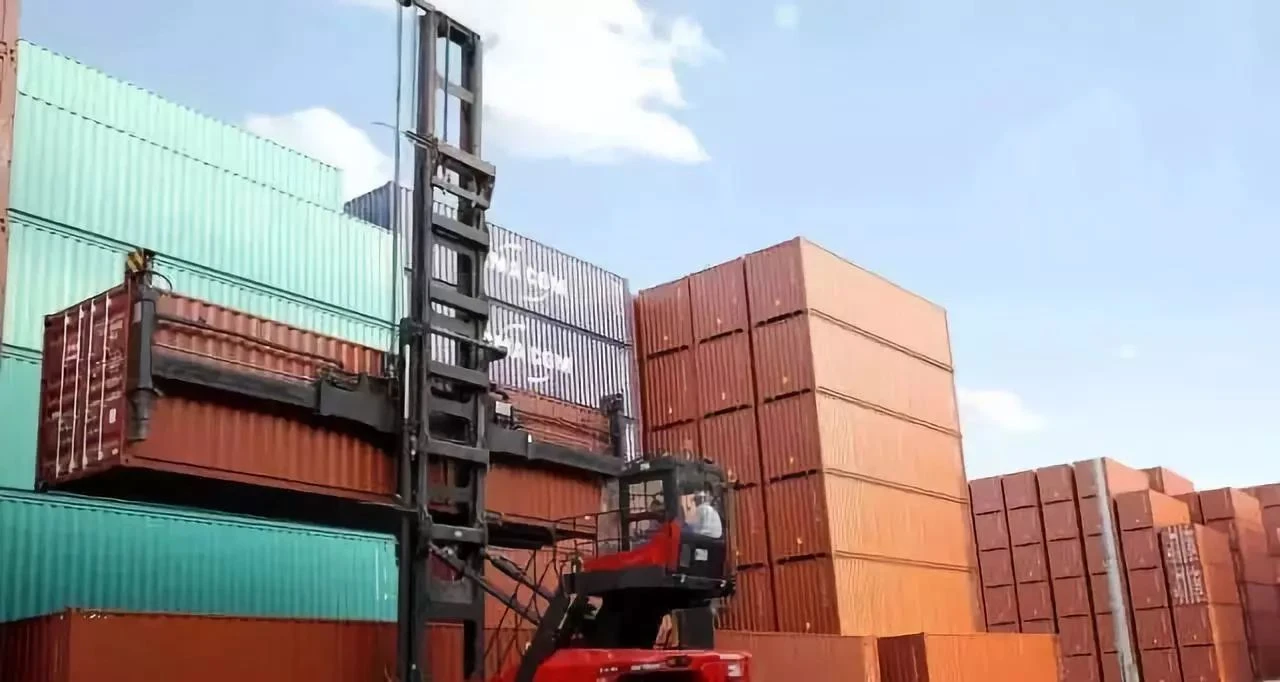
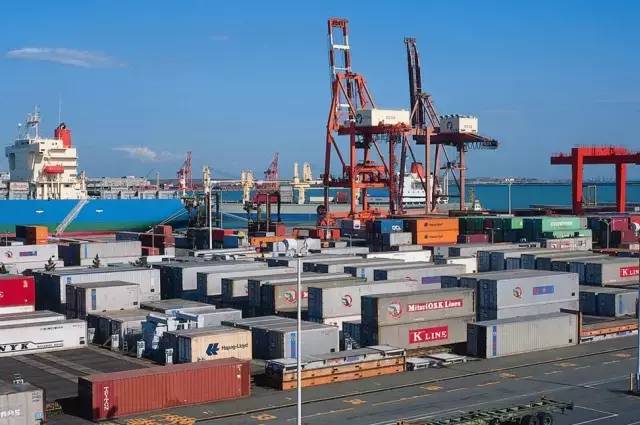
After a container ship docks at a pier, it generally needs a crane at the pier to carry out loading and unloading operations, and then it is towed to the container yard by trucks and then lifted down by forklifts. If the weight of the container exceeds the mechanical load, it will cause difficulties for the operation of the wharf and yard. Therefore, for some small ports with backward equipments, the shipping company usually informs the weight limit of the port in advance, and will not accept anything exceeding this limit.
Matching feeder vessel or highway weight limit
The cargo to the U.S. line has very strict weight requirements, and the weight limit is mainly affected by the weight limit of the highway to the U.S. inland point, generally 17.3 tons for small cabinets and 19.5 tons for large, tall cabinets. But according to different ports, there are also different weight limit requirements.
Route weight limits
Different routes, the shipping company capacity is in accordance with the order of cargo loading and unloading ports of call and the export of goods of different types and heat to the arrangement, coupled with the destination port equipment operation of the load problem, the different routes of different sizes of cabinets of the weight limit is naturally also different.
What if the shipment is overweight?
This is mainly divided into port overweight, shipping company overweight, and destination port overweight.
1. Overweight of shipping company
Discuss with the shipowner, pay the overweight fee, and go according to normal.
2. Harbor area has its own regulations for overweight.
If overweight is found when entering the port, we need to negotiate with the port area and pay the overweight fee plus labor handling fee or empty the box for reloading.
3. Overweight at destination port
Generally, if the overweight at the destination port is within a certain range, it can be solved by paying a fine; if the overweight is serious, the cranes along the way cannot be loaded but can only be transferred to nearby ports or returned to the original way.