


After Maersk, Hapag-Lloyd Will Decide On The Red Sea Resumption! Uncertainty Over The Resumption Of Flights Still Hinders Foreign Trade Between Asia And Europe.
Dec 27, 2023
Leave a message
More than two weeks after the fermentation of the Red Sea crisis, the Red Sea and Suez Canal pressed the "pause button." Now, the beginning of a carrier has announced the resumption of the Red Sea-Suez Canal shipping channel.
On December 25, the world's second-largest container shipping company Maersk said that, ready to resume the east-west route through the Red Sea, the first batch of ships through the plan is being developed. However, at the same time, Maersk also emphasized that the overall risk in the region has not yet been eliminated, and if the security situation changes, it will reassess and start the rerouting plan again.
A spokesman for German shipping company Hapag-Lloyd said on Tuesday that it would decide on Wednesday whether to resume the Red Sea route. "We will decide tomorrow how to proceed," a spokesman for the company said Tuesday. He declined to comment further. The company said last week that it would redirect 25 ships to avoid the region by the end of the year.
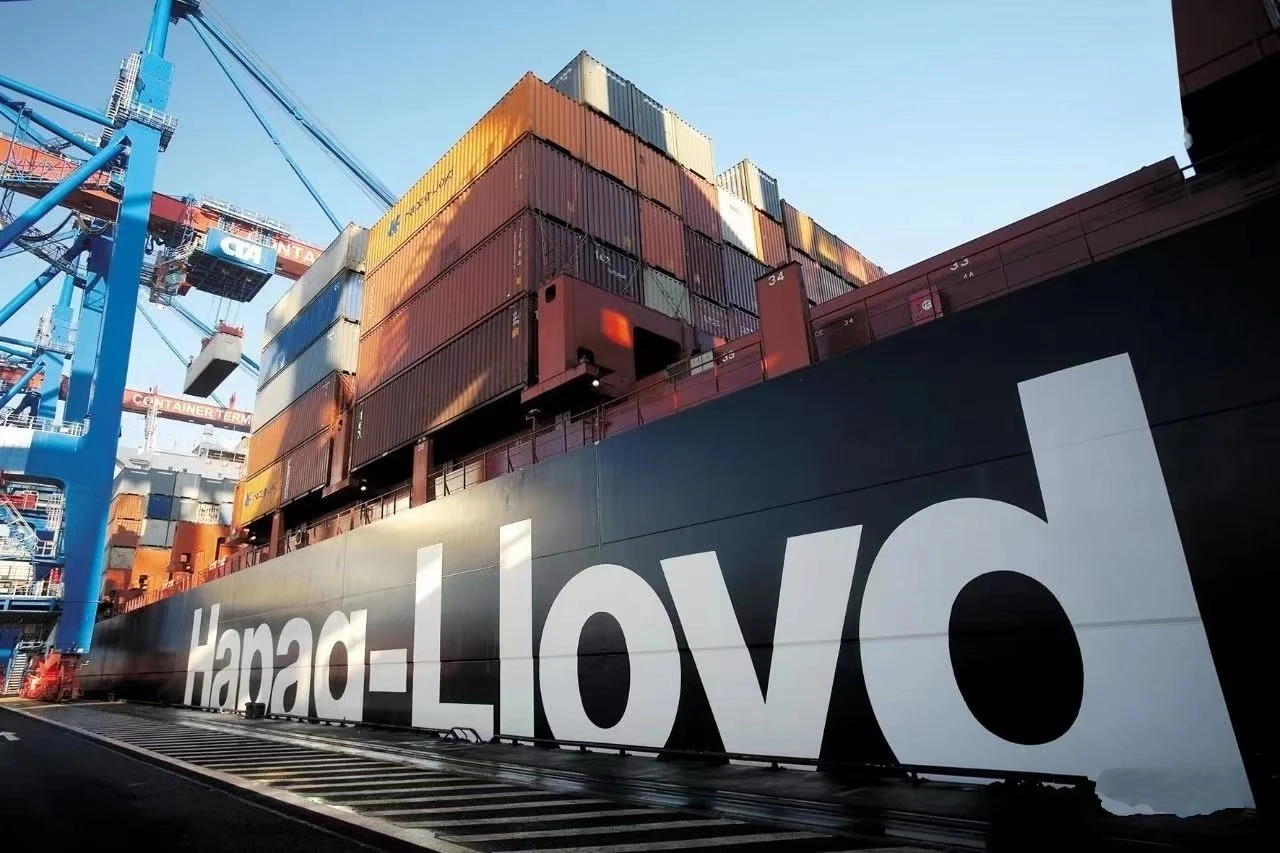
The Red Sea-Suez Canal shipping lane is China and Asian countries's main shipping lanes; the importance of its geographical location is needless to say. As a result of this impact, the Asian and European routes, such as transport market tariffs, are the most significant. On December 22, the Shanghai Export Container Freight Index (SCFI) reported 1,254.99 points, an increase of 14.8%, reaching the highest point of the year. According to reports, as of December 21, the average price of each 40-foot container has risen from US$2,400 to US$10,000. (Check out the Maritime.com article, Freight Rates Reach $10,000! Quadrupling in a week! (313 ships and 4.2 million TEUs bypassed, with cargo value exceeding $100 billion)
Not only are ocean freight rates and container prices facing a climb, but international oil prices have also continued to rise since last week. These factors will indirectly push up the cost of goods transportation, impacting the global supply chain. Some analysts believe that there are two main scenarios to consider at the moment: one is, in extreme cases, the complete closure of the Suez Canal for more than 1 month, and the other is the normal passage of most of the ships under escort within 1 month and the detouring of some ships.
As the industry believes that other shipping giants are likely to follow Maersk's policy, the Red Sea crisis may relatively weaken the supply chain disturbance.
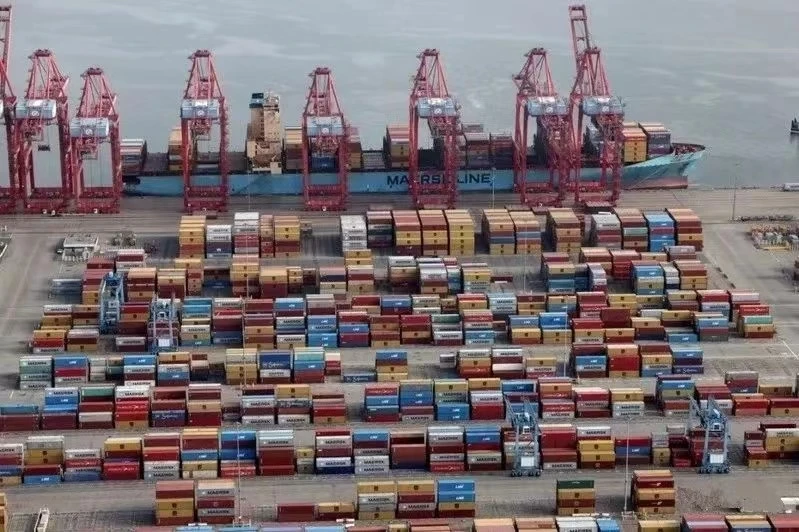
Just two days before Maersk announced its return to the Red Sea shipping lanes, the shipping giant expected the chaos in the Red Sea to continue for months.
Shipping giants have stopped sailing in the Red Sea for more than a week. Consequently, the market for container shipping appeared to be undergoing a "bypass wave." On December 19, Maersk announced plans to give up the Red Sea and Suez Canal routes, with the company all sailing in Europe and Asia between the merchant ships, all around the Cape of Good Hope in the southern tip of Africa. After that, a number of container shipping companies followed Maersk's lead. Container ships passing through the Red Sea and the Gulf of Aden decreased sharply.
But as far as it seems, it is not easy for shipping companies to follow the resumption of shipping. For them, the safety of shipping lanes is the primary consideration. Zheng Jingwen, a senior market analyst at the International Shipping Institute of the Shanghai International Shipping Research Center, said that other liner companies are currently in a wait-and-see situation; after all, although there are multinational warships escorting, whether they can deter Yemen's Houthi forces is still unknown. And many ships have begun to bypass; wanting to instantly restore the Red Sea route is not very realistic.
According to CCTV news reports, although the United States previously announced that there have been 20 countries to join the so-called "Red Sea escort alliance," up to now, Spain, Italy, and France have clearly expressed unwillingness to act under the leadership of the United States. Most of the remaining countries are only willing to send a small number of personnel to participate in a symbolic manner, and at least eight countries have requested anonymity.
The attack has not only led to an increase in freight rates for merchant ships sailing around the Cape of Good Hope but also to a spike in freight rates for merchant ships re-entering the Red Sea, the Gulf of Aden shipping lanes, and even other shipping routes afterward.
Some logistics industry insiders said that the Red Sea cut-off crisis has just begun, and all the westward routes booked in East Asia have been restricted, including to the Middle East, the Red Sea, North Africa, the Black Sea, the eastern Mediterranean, the western Mediterranean, and northwestern Europe and other regions.
Since December 18, a number of shipping companies, in order to reduce risk, have been notified of the Red Sea's suspended booking operations and adhered to the "no booking, no change, no change" superimposed on general shipments before the Spring Festival for a small peak. The market news said that the January cabin was due to the positive demand for freight transportation and the overall maintenance of a tight situation.
More than one carrier announced surcharges due to the high cost of detours and the tightness of slots on other shipping routes. Some freight forwarders believe that shipping prices may more than double early next year.
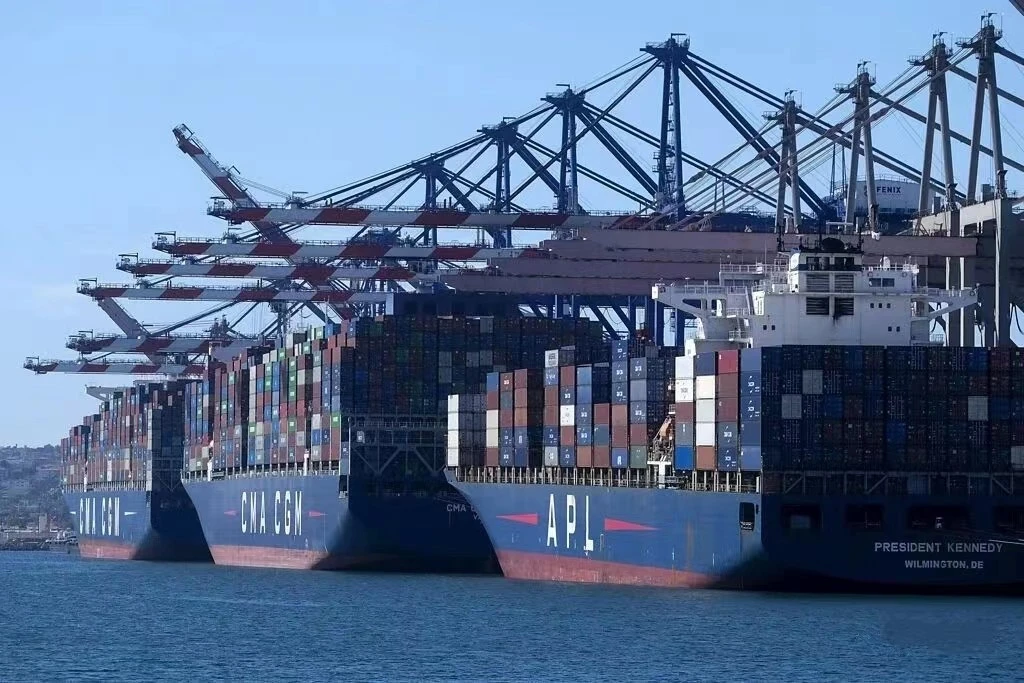
The attack has not only led to an increase in freight rates for merchant ships sailing around the Cape of Good Hope but also to a spike in freight rates for merchant ships re-entering the Red Sea, the Gulf of Aden shipping lanes, and even other shipping routes afterward.
Some logistics industry insiders said that the Red Sea cut-off crisis has just begun, and all the westward routes booked in East Asia have been restricted, including to the Middle East, the Red Sea, North Africa, the Black Sea, the eastern Mediterranean, the western Mediterranean, and northwestern Europe and other regions.
Since December 18, a number of shipping companies, in order to reduce risk, have been notified of the Red Sea's suspended booking operations and adhered to the "no booking, no change, no change" superimposed on general shipments before the Spring Festival for a small peak. The market news said that the January cabin was due to the positive demand for freight transportation and the overall maintenance of a tight situation.
More than one carrier announced surcharges due to the high cost of detours and the tightness of slots on other shipping routes. Some freight forwarders believe that shipping prices may more than double early next year.
According to the latest ship detours, the loss of shipping capacity is roughly 7%, so there will be an overall impact on the supply chain, mainly in terms of longer delivery periods and higher transportation costs. Ultimately, transportation costs will also be passed on to consumers; for goods shipped to Europe, the price will be about a 10% to 20% increase.
S&P Global Markets Financial Intelligence supply chain research director Chris Rogers believes that the Red Sea crisis under the transportation of the biggest impact of the industry is the automotive industry. In Asia, about 40% of imported cars and about 20% of auto parts transported through this route will be delayed delivery.
The impact of this Red Sea incident is on the short-term side, and as the situation gradually warms up, the impact on the long-term supply chain may be limited.