


Breaking! This Country Is in Chaos. A National Strike Has Broken Out! Millions March in Protest! Port Operations Are Affected.
Jan 26, 2024
Leave a message
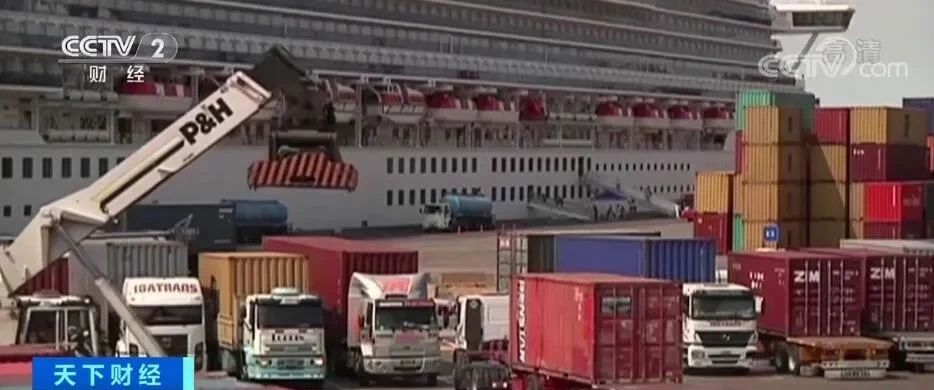
CCTV news, local time On January 24, Argentina's major trade unions, left-wing organizations, and civil economy organizations held a 12-hour national strike against the country's President Millet after the inauguration of the promulgation of the new policy. According to NABSA, Argentina's local maritime authority, the January 24 strike affected the operation of all ports in Argentina.
It was Argentina's first national strike since May 29, 1909. A total of 500,000 people participated in the protests across the country, including 100,000 members of the police system and 40,000 government workers, the organizers said. Banks, hospitals, public transportation, garbage collection, postal services, ports, and commercial airline unions all joined the general strike. Argentina's largest carrier, Aerolineas Argentinas, canceled 295 flights, affecting about 20,000 passengers.
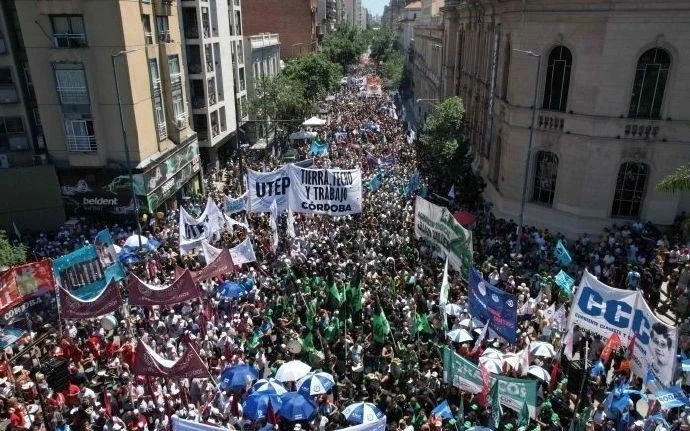
According to a January 24 report on the website of the Spanish newspaper El País, cited by Reference News on January 25, the General Confederation of Labor estimated that 80 percent of its members (about 5 million people) in the country complied with the strike initiative. The union also estimated that 600,000 people participated in the march in Buenos Aires, while 1.5 million people participated in the march across the country.
In addition to the strike, the protests included a demonstration in front of the National Congress building.
In front of the National Congress building, the marchers demanded that Congress reject the Decree of Necessity and Urgency and the National Reform Bill issued by the government last December, both of which are currently under consideration by Congress and which provide for the modification or repeal of 366 laws regulating different sectors of the economy.
Since assuming the presidency, Millet has introduced a series of "shock therapy" reforms aimed at rescuing the economy in an effort to reduce the fiscal deficit and control inflation. The new policy included reducing the number of government departments from 18 to 9, lowering government subsidies for energy and transportation, and stopping tenders for new public works. The new government also devalued the official exchange rate of the Argentine peso from about 400 pesos per dollar to 800 pesos per dollar and relaxed import controls.
After the introduction of a series of new policies, prices in Argentina have risen sharply. Argentina's National Institute of Statistics and Census released a report on the 11th that the country's 2023 December inflation rate of 25.5% and 2023 cumulative inflation rate of 211.4% both hit the highest record since 1990. Economy Minister Caputo, on the other hand, said that Argentina's inflation will remain at a high level for some time to come.