


Red Sea Crisis Impacts Car Shipping Market Far More Than Imagined
Jan 30, 2024
Leave a message
Speaking at the Marine Money conference in London a few days ago, Ivar Myklebust, Chairman of the Board of Directors of Gram Car Carriers ASA (GCC), an independent Norwegian owner of car carriers, pointed out that Houthi attacks on merchant ships have resulted in the first time in 30 years that there have been no car carriers (PCTC) passing through the Red Sea/Suez Canal area. This event highlights the far-reaching impact of the Red Sea crisis on the automotive shipping market, which is far greater than one would have imagined.
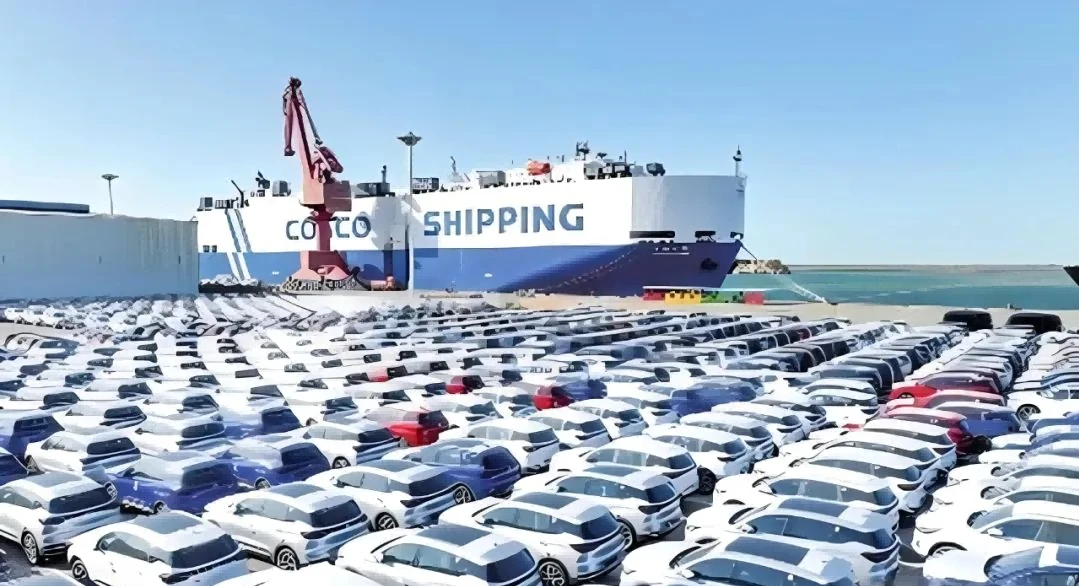
Ivar Myklebust said that due to the Red Sea crisis, car carriers through the Red Sea/Suez Canal have dropped from an average of 90 trips per month in 2023 to zero at present, with all the major players rerouting their voyages around the Cape of Good Hope.
China's exports of electric cars to Northern Europe have fueled a boom in the car-boat market. January 23rd was "the first day that no PCTCs transited the Red Sea, which has not been seen in the last 30 years. This has had a major impact on the supply-demand balance."
In a tight supply-and-demand market that was already using alternative methods, including containers, to move more than one-tenth of the vehicles, sailing around the Cape of Good Hope added 10 to 12 days of sailing time each way. This equates to a 5–7% increase in demand. In a sense, the disruption of the Suez Canal meant higher freight rates, delayed deliveries, and an overall increase in uncertainty.
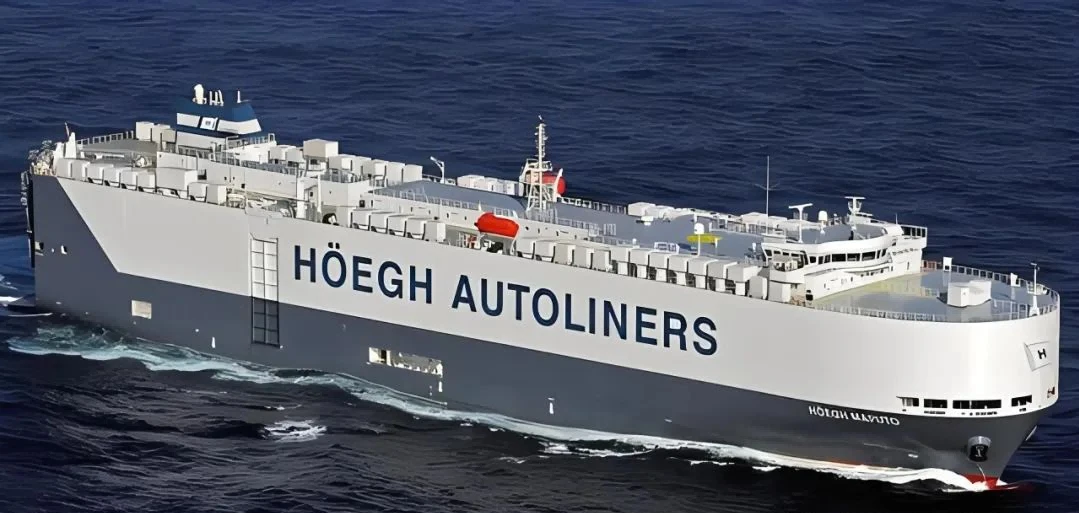
The Red Sea crisis has had a far-reaching impact on the car-boat market, and in the short term, major shipping companies have rearranged their routes to avoid the Red Sea region. Norway's three major shipowners, Wallen Wilhelmsen (Wallenius Wilhelmsen), Lino Shipping (Höegh Autolines), and GCC, have decided to detour around the Cape of Good Hope. In addition, the Galaxy Leader, operated by NYK, became the first ship to be hijacked by the Houthis, an event that increased tensions in the market.
Gram Carriers ASA said that although the situation may change in a short period of time, there is still no sign of any improvement and therefore decided to ban its ships through the Red Sea. This decision highlights the current uncertainty and risk in the market, resulting in a significant impact on the supply-demand balance.
The car carrier market is facing a number of challenges as a result of the Red Sea crisis. Unlike other market segments, more than 80% of car shipments are subject to long-term contracts, resulting in the increased costs of sailing around the Cape of Good Hope being difficult for car carrier operators to pass on to cargo owners and may have to be borne by them.
Typically, longer sailing distances result in less capacity in the market and drive up freight rates, which ultimately benefit operators. However, motor vessel operators have a limited spot market compared to liner shipping companies, and the increased voyage and fuel consumption costs need to be borne by themselves. This means that, similar to the consolidation industry, they can only respond to these costs by increasing surcharges.
Xavier Leroi, executive vice president and chief operating officer of Wallenius Wilhelmsen, said the company has not yet finalized its decision on whether to implement surcharges or increase tariffs. Wallenius Wilhelmsen is limited in what it can do to cope with increased costs on voyages, as most of its vessels are on long-term contracts.
Xavier Leroi estimates that a voyage around the Cape of Good Hope adds an average of nine days to the voyage. Although some vessels operating in the spot market have not yet increased their surcharges, this does not preclude the possibility that they will be implemented in the future. Sailing around the Cape of Good Hope has already had an impact on fleet capacity, he said, and the company is in contact with its customers to see how it can further improve efficiency.
Meanwhile, Norway's Höegh Autoliners, which is systematically repricing its cargoes and considering the implementation of additional surcharges to offset the negative financial impact, and GCC, an independent shipowner, are facing similar challenges. GCC, on the other hand, is less affected as it does not directly operate ships. CEO Georg A. Whist said the Red Sea crisis has put further pressure on an already tight market and resulted in 5 percent of capacity being affected.
When Wallenius Wilhelmsen decided to reroute around and avoid the Red Sea altogether, the decision had a significant impact on the operator, explains Xavier Leroi, adding that the re-routing of some 20 vessels already sailing in the area meant a significant number of sailing days were lost, and there was also the issue of on-board supplies to consider. The greater concern now is the reduction in transportation capacity.
Overall, the Red Sea crisis has created many challenges and uncertainties in the motor vessel market. Operators need to be flexible to cope with additional costs on voyages and strive to work with their customers to improve efficiency. However, the tight supply-demand situation in the market is likely to intensify further, putting more pressure on car producers to bring their products to market on time. In the short term, there appears to be no solution to the tight capacity for car carriers other than shipping in containers.
Xavier Leroi points out that while the initial rerouting of the bypass was challenging for Wallenius Wilhelmsen, the current challenges are more complex. The primary question is: when is it safe to resume Red Sea navigation? The company has yet to find a definitive answer.
In addition to the safety of the crew, Wallenius Wilhelmsen needs to pay special attention to the safety of the vessel. The fact that specialized vessels are more vulnerable to attacks and the potential consequences are more serious adds an extra level of concern.
Xavier Leroi further explains that for ships such as PCTCs, it is not possible to close the hatches once water has entered the ship. This means that the consequences of a PCTC being hit by a missile would be more severe than those of other ships, potentially leading to capsizing and sinking. This is an important reason why they choose to avoid any risk.
Overall, the current situation presents Wallenius Wilhelmsen with multiple challenges. The company needs to carefully assess when to resume Red Sea voyages while ensuring safety and keeping a constant eye on the safety of its vessels and crews.