

Types Of Lithium Batteries And Cells
Jan 14, 2025
Leave a message
Types of lithium batteries and cells
Cells versus batteries
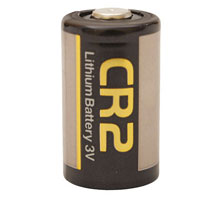
A cell is a single encased electrochemical unit (one positive and one negative electrode) with a voltage differential across its two terminals.
What we call AA batteries and AAA batteries are actually cells.
Figure 1: common types of lithium cells

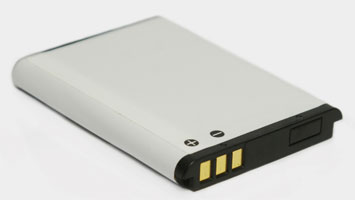
A battery is two or more cells that are electrically connected together and fitted with devices such as a case, terminals, marking and protective devices that it needs to function properly.
Figure 2: a common type of battery
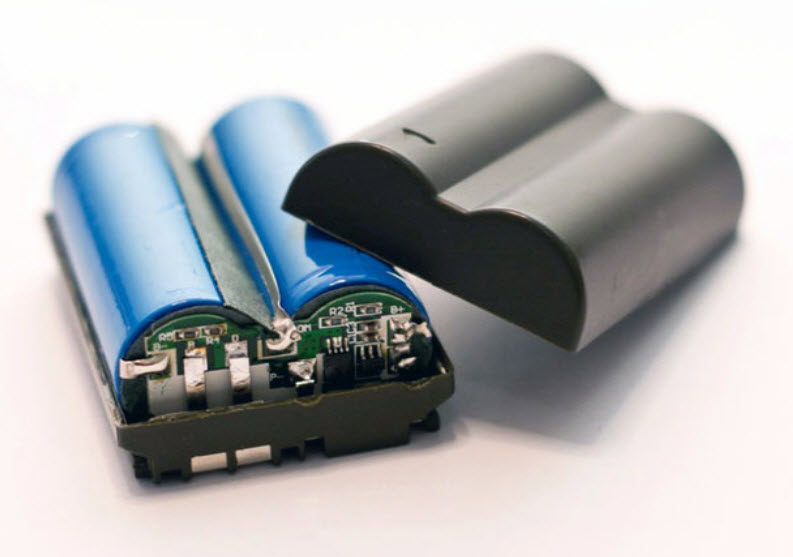
Battery packs, modules or battery assemblies manufactured to provide a source of power to another piece of equipment are treated as batteries in TDG regulations.
Lithium metal versus lithium ion batteries
A lithium metal battery:
is usually non-rechargeable
contains metallic lithium
features a higher energy density than other non-rechargeable batteries
Lithium metal batteries are often used in calculators, pacemakers, remote car locks and watches, to name a few.
A lithium ion battery:
is rechargeable
doesn't contain metallic lithium
features high energy density
A lithium polymer battery is considered a type of lithium ion battery. Lithium ion batteries are used in consumer products such as cell phones, electric vehicles, laptop computers, power tools and tablets.
Contained in equipment versus packed with equipment
A lithium ion or metal battery contained in equipment means that the battery is fitted or joined to the actual device. Examples include a calculator, laptop computer or watch-with an integrated lithium battery.
A lithium ion or metal battery packed with equipment is not fitted or joined to the device. An example would be a power tool packed alongside a spare battery.
Determining the energy rating and lithium content of batteries
TDG Regulations regulate lithium ion batteries based on their watt-hour (Wh) rating or amount of energy.
When a person uses the lithium ion batteries exemption on a road vehicle, a railway vehicle or a vessel on a domestic voyage in accordance with special provision 34 of the TDG Regulations, the Wh rating must appear on the battery case if it was made on or after January 1, 2009. If the Wh rating is not indicated on the lithium ion battery case, then all requirements set out in the TDG Regulations must be meet.
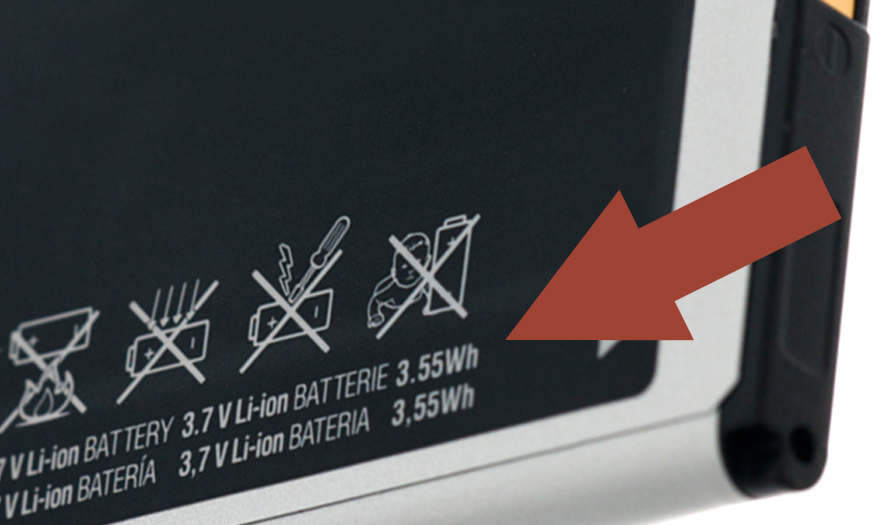
How do I calculate the Wh rating?
If the Wh rating does not appear on the battery case, you can calculate the Wh rating using one of the formulas below.
1.if you know the nominal voltage (V) and the capacity in ampere-hours (Ah), use:
Wh = (V) x (Ah)
2.if you know the nominal voltage (V) and the capacity in milliampere-hours (mAh), use:
Wh = (V) x (mAh ÷ 1000).
If you are still not sure what your lithium battery's Wh rating, contact its manufacturer.
Calculate the lithium content
You can calculate the lithium content, in grams (g), of a lithium metal cell with one of the formulas below.
1.if you know the battery's capacity in ampere-hours (Ah)
Grams (g) lithium metal = (Ah) x 0.3
2.if you know the capacity in milliampere-hours (mAh)
Grams (g) lithium metal = (mAh ÷ 1000) x 0.3
To calculate the lithium content of the battery, simply multiply the grams (g) of lithium metal by the number of cells in the battery.