


Introduction to the Container Transportation Clauses CFS-CY
Dec 13, 2023
Leave a message
Container
The container is one of the greatest inventions ever made in the logistics industry. Its success lies in the standardization of irregular goods, so standardization is the most central factor in the success of the container.
The container we usually refer to is the sea container. Containers, as one of the great inventions in the logistics industry, not only greatly improve the efficiency of transportation but also promote the development of international trade.
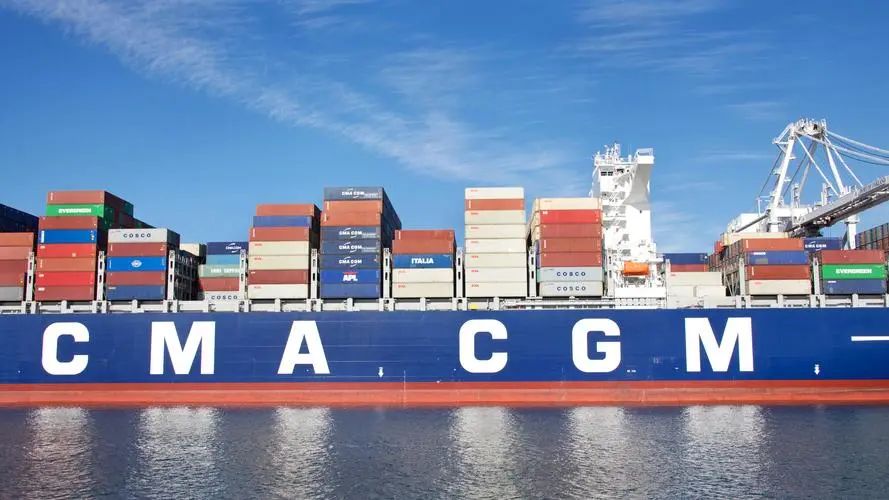
What is CFS to CY?
The so-called CFS to CY is station to yard, that is, from the place of shipment (including the container freight station) to the destination of the unloading port (including the destination of the container yard). CFS can be simply understood as the container freight station of the place of shipment, and CY can be simply understood as the destination of the container yard.
Here many friends will ask, a lot of not directly to the manufacturer to load the goods into the container, and then for shipment? So why is there a CFS (Container Freight Station)?
In fact, in real international trade transportation, not all the goods are in one or two containers. Many times, we need to carry out consolidation, but it is not possible to take a container to run several factories for loading, so the container freight station was born, so that we can have a lot of bulk cargo to the container freight station to focus on, and then in the consolidation operation.
So there is CFS shipping in the container transportation mode.
Container Freight Station/Container Yard (CFS TO CY) related operations:
1. If the goods are in less than one container, the carrier will let the shipper be responsible for transporting the goods to the designated CFS (Container Freight Station) and then consolidate the goods for shipment, and the shipper will bear all the costs and risks before sending the goods to the CFS. Of course, the shipper should bear the customs and inspection fees for exporting the goods.
2. The carrier picks up the goods at the CFS (Container Freight Station) at the port of loading or place of receipt and transports the container to the CY (Container Yard) at the place of delivery or port of destination.
3. The consignee picks up the container from the CY (container yard) at the place of delivery, and after unpacking the container and taking the goods, delivers the empty container to the site designated by the carrier.
Since there are (CFS to CY) terms of transportation, there are also (CY to CFS) terms of transportation. (CY TO CFS) is also from the container yard at the place of shipment to the container freight station at the place of destination.
Containetr Yard/Container Freight Station(CY To CFS)related operations:
1. After the shipper picks up the empty containers by himself, he carries out cargo handling and assembling and is responsible for transporting the containers to the CY (Container Yard) designated by the carrier, and the shipper bears all the expenses and risks before that. The shipper shall bear all the costs and risks until then. The customs declaration and inspection of the goods shall be made by the shipper himself, and he shall bear the costs.
2. and the responsibility and risk arising from improper loading of goods in the container shall be borne by the shipper; of course, the shipper shall also bear the loss or damage of the goods contained in the box. (So it is necessary to buy insurance.)
3. The carrier accepts the container at the container yard and bears the responsibility of transporting the heavy container to the CFS (Container Freight Station) at the delivery place to deliver the goods to the consignee after unpacking.